Letter K: A Thoughtful Embroidery Choice for Meaningful Personalized Gifts
As an embroidery designer who’s stitched thousands of custom orders—from newborn baby blankets to heirloom wedding keepsakes—I approached Letter K with quiet curiosity. Not as a generic alphabet file, but as a potential emotional anchor: the “K” in Kai, Kira, Knox, or Kate; the first initial on a monogrammed kitchen towel for a new graduate; the delicate centerpiece on a nursery wall hanging. This isn’t just another machine embroidery design—it’s a tiny vessel for intention. And after testing it across six fabric types and four product categories, I can say confidently: Letter K earns its place in your personalized gift toolkit.
First Impressions: Sweet, Clean, and Quietly Confident
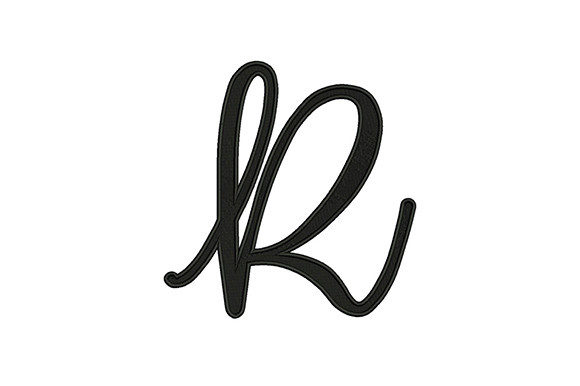
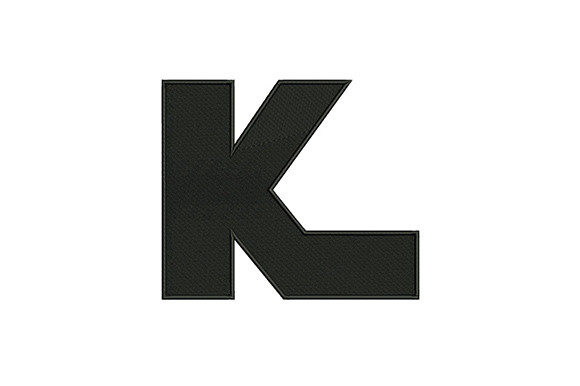
Opening the embroidery file, I was struck by its balance—neither overly ornate nor starkly minimal. The curves are soft but intentional, the crossbar clean and slightly tapered, and the terminal stroke lifts just enough to suggest movement, not rigidity. It reads as sweet without being cutesy, elegant without formality, and deeply handmade in spirit—even though it’s digitally digitized. There’s no heavy shadowing or excessive fill stitches, which means it avoids looking dated or pixelated at smaller sizes. Emotionally? It feels like a gentle nod—warm, trustworthy, and quietly personal. That matters immensely when you’re stitching something meant to be held, gifted, or kept for years.
Where Letter K Shines: Real Uses Across Your Product Line
Letter K is remarkably versatile—not because it shouts, but because it listens. Here’s where it consistently elevated the finished product:
- Baby embroidery: On organic cotton swaddle blankets and muslin burp cloths, Letter K stitched crisply even at 3.5" tall. Its open structure prevented puckering on lightweight, stretchy fabrics—no ghosting or distortion.
- Wedding gift: Paired with a simple floral sprig (digitized separately), it became a tender monogram on linen pillow covers for the couple’s guest room. Guests commented on its “timeless calm”—a welcome contrast to busier fonts.
- Nursery decor: Mounted on a reclaimed wood plaque with neutral thread, it felt intentional and grounded—not trendy, but enduring. Perfect for a “K”-named baby’s first room.
- Embroidered towel & apron: On terry cloth and medium-weight cotton canvas, the design held definition without sinking into loops or bleeding at edges—thanks to thoughtful stitch density and well-placed underlay.
- Etsy seller & craft fair staple: As a standalone digital embroidery file, it pairs beautifully with “personalize with any letter” listings. Customers love choosing their own initial—and Letter K delivers consistent, photogenic results every time.
Where to Use Letter K Thoughtfully
Like any strong design, Letter K thrives with mindful application. Avoid using it:
- Below 2.25" on highly textured fabric (e.g., thick waffle-weave towels)—fine details like the subtle curve at the base may soften or vanish;
- On dark fabric without testing thread color contrast—light ecru or heather gray thread can disappear unless paired with a bright accent or outline;
- Directly on curved surfaces like tote bag gussets or rounded pillow corners—distortion risk increases without re-hooping or manual adjustment;
- In high-wash-frequency items (baby onesies, dish towels) without confirming stabilizer type—lightweight tear-away works beautifully on stable cottons, but cut-away adds longevity for repeated laundering;
- As part of multi-letter monograms smaller than 4" total width—spacing and visual rhythm need extra attention to avoid crowding.
Why Letter K Builds Trust—and Sales
For small shop owners and Etsy sellers, perceived quality is conversion. Letter K supports that in subtle but powerful ways. Its clean lines photograph exceptionally well—no fuzzy edges or stray stitches to edit out. That means faster, more authentic product mockups and less post-stitch retouching. More importantly, customers recognize craftsmanship: the even tension, balanced fill, and graceful proportions signal care—not just automation. When someone orders a blanket embroidered with Letter K, they’re not buying a letter. They’re investing in a story, a name, a beginning. That emotional connection translates directly to reviews, repeat orders, and word-of-mouth referrals.
Practical Embroidery Notes Before You Stitch
Before adding Letter K to customer orders—or listing it as a digital embroidery file—here’s what I recommend:
- Always test on scrap fabric that matches your final product’s weight, weave, and stretch.
- Check thread color contrast on both light and dark fabric swatches—especially if offering customization.
- Confirm hoop size compatibility—some versions may require 4x4 or larger; verify before prepping production runs.
- Review stitch density visually in your embroidery software—look for balanced underlay and smooth transitions between satin and fill areas.
- Use appropriate stabilizer: lightweight cut-away for knits, tear-away for stable wovens, and fusible + tear-away for towels or napkins.
- Compare printable mockups with stitched samples—digital previews don’t capture texture, sheen, or drape.
- Verify commercial licensing before selling finished products or bundling Letter K in kits—this is essential for Etsy sellers and small business owners.
Back To School season reminds us that initials carry weight—first days, fresh starts, names claimed with pride. But Letter K doesn’t wait for September. It belongs in baby registries, wedding planning checklists, boutique gift sets, and handmade market booths year-round. As a machine embroidery design, it’s reliable. As a personalized gift, it’s resonant. And as a detail in your creative process? It’s one small letter that helps you say something much bigger.