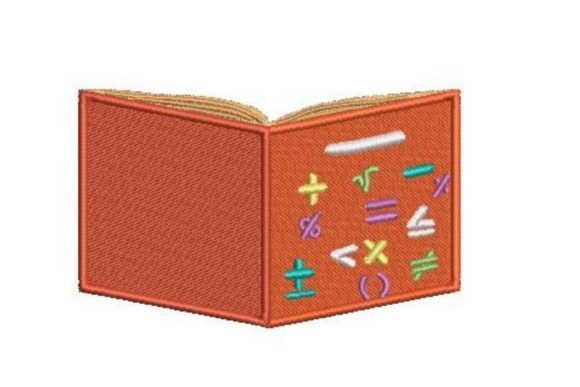
Comic Book Style Bubbles
A Designer’s First Look: Bold, Playful, and Ready for Real Projects
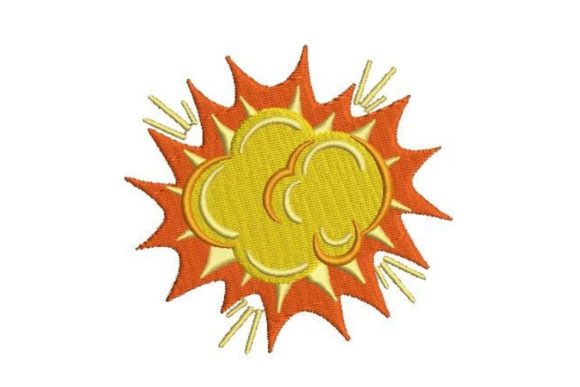
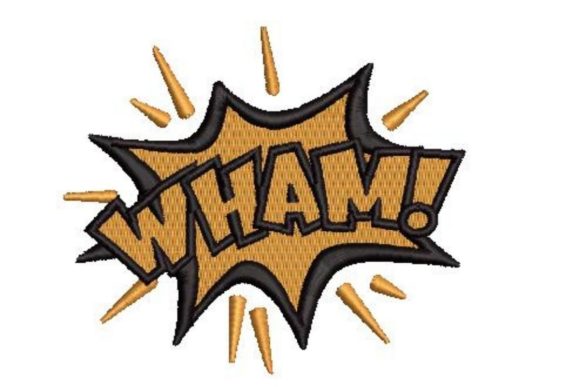
As an embroidery designer who’s stitched everything from boutique baby blankets to Etsy bestsellers, I opened Comic Book Style Bubbles expecting fun—but what stood out immediately was its intentional balance of graphic impact and stitch-friendly structure. These aren’t just cartoonish outlines; they’re thoughtfully constructed machine embroidery designs with clear entry/exit points, balanced satin stitch curves, and fill stitch zones that breathe—not overwhelm. The mood is energetic but not chaotic: think vintage comic panels meets modern classroom energy. That makes Comic Book Style Bubbles especially resonant for the Back To School season, but its versatility stretches far beyond backpacks and notebooks.
How It Performs on Real-World Fabric Surfaces
I tested Comic Book Style Bubbles across five common project types: a cotton tote bag, a midweight fleece sweatshirt, a 100% cotton kitchen towel, a structured twill cap, and a soft Minky baby blanket. On stable fabrics like tote canvas and towels, the design stitched cleanly—even at smaller hoop sizes (I used a 4” x 4” hoop successfully). The satin stitch borders held crisp definition without puckering, and the interior fill areas avoided excessive density, which helped prevent stiffness or thread breakage.
On stretchy fabrics like fleece, I added a medium-weight cutaway stabilizer beneath and a light tear-away on top—no distortion, no skipped stitches. For the cap, I hooped the front panel with adhesive stabilizer and slowed my machine speed by 20%; the bubbles retained their rounded shape beautifully, even over the curved surface. With the Minky blanket, I reduced top tension slightly and used a size 75/11 sharp needle—the fine details (like subtle “pow!” highlights) stayed legible, though I recommend avoiding the tiniest bubble variants on plush fabrics unless you’re stitching at 3x scale.
Fitting Into Your Product Line—Beyond Just Back To School
Comic Book Style Bubbles shines brightest when paired intentionally—not as standalone decoration, but as a dynamic framing device. I used one large bubble with “First Day Brave” inside for a personalized teacher tote; another small, tilted bubble held “Math = Magic” on a child’s apron. Because the design includes multiple bubble shapes and orientations (some with speech tails, others with burst edges), it adapts naturally to custom apparel, embroidered patch sets, and pillow covers for playful nursery decor.
For Etsy sellers and handmade shop owners, this is more than a digital embroidery file—it’s a design asset that elevates perceived value. Customers respond to visual storytelling, and Comic Book Style Bubbles adds instant personality to otherwise simple items. A plain grey sweatshirt becomes a conversation starter. A basic kitchen towel transforms into a gift-worthy piece when paired with a well-placed bubble and handwritten-style quote. That emotional resonance strengthens buyer trust and supports premium pricing—especially for personalized gift listings where uniqueness matters.
What You’ll Want to Check Before Stitching
Before adding Comic Book Style Bubbles to your next production run, take these practical steps:
- Test on scrap fabric—especially if using dark thread on light fabric or vice versa. Some bubble variants include thin running stitch accents that may fade on low-contrast combos.
- Review stitch density in your embroidery software. While the overall density feels moderate, overlapping elements (like stacked bubbles or layered text) can increase local density—adjust if needed for delicate fabrics.
- Confirm hoop size before digitizing quotes or names inside the bubbles. Not all versions scale equally—some are optimized for 3”–4” hoops, others require 5”+ for full detail.
- Compare light and dark fabric mockups. The design’s bold outlines read well on both, but fine interior textures (e.g., crosshatch fills or dot patterns) benefit from higher thread color contrast.
- Use proper stabilizer: cutaway for knits and stretchy items, tear-away for stable wovens, and fusible + tear-away for caps or layered applique projects.
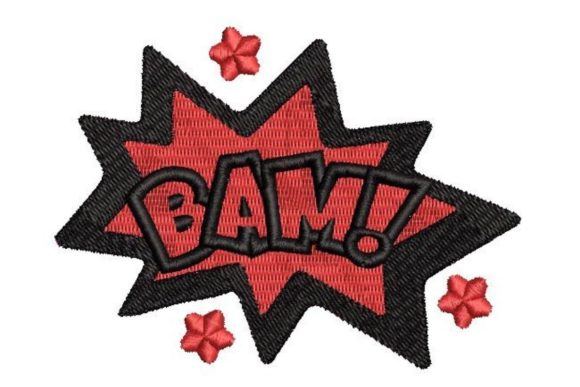
- Inspect small details after stitching. Tiny “ZAP!” or “BAM!” accents inside some bubbles rely on precise satin stitch alignment—check tension and needle condition first.
Licensing, Commercial Use, and Brand Consistency
If you’re creating commercial embroidery products—whether selling finished embroidered patches, branded tote bags, or wholesale nursery decor—verify the license terms for Comic Book Style Bubbles directly on the Creative Fabrica product page. Licensing varies per designer, and clarity here protects your business long-term. When used within licensed boundaries, this Creative Fabrica embroidery design supports strong brand consistency: its cohesive line weight, rhythm of negative space, and expressive yet legible forms make it easy to pair with coordinating fonts or companion motifs (like stars, pencils, or chalkboard frames).
It also enhances product photography—the high-contrast shapes pop against neutral backdrops, and the comic aesthetic invites lifestyle shots (e.g., a bubble-topped apron hanging in a sunlit kitchen, or a sweatshirt folded beside school supplies). That visual clarity translates directly to customer engagement, especially on mobile feeds where bold graphics stop the scroll.
Final Thoughts for Crafters and Creative Entrepreneurs
Comic Book Style Bubbles isn’t just another embroidery file. It’s a flexible, production-ready tool that bridges whimsy and wearability. It works for quick-turn craft fair items and thoughtful handmade product launches alike. Yes, it fits perfectly into Back To School collections—but its real strength lies in how easily it crosses categories: from sweatshirt embroidery to tote bag design, from applique design bases to printable mockup assets for digital product sellers.
If you’re building a portfolio of reliable, expressive, and commercially viable machine embroidery designs, Comic Book Style Bubbles earns its place—not because it’s flashy, but because it stitches cleanly, scales predictably, and invites creativity without demanding perfection. Just remember: always test, stabilize wisely, and let the bubbles do the talking.