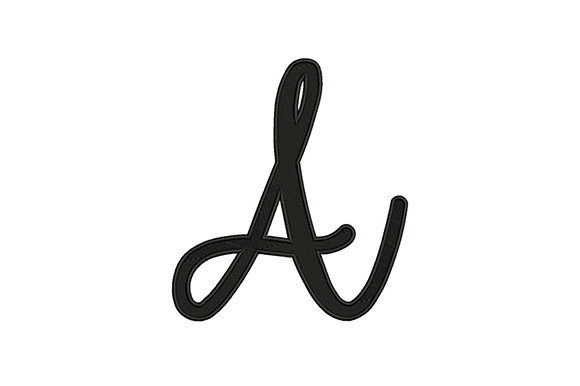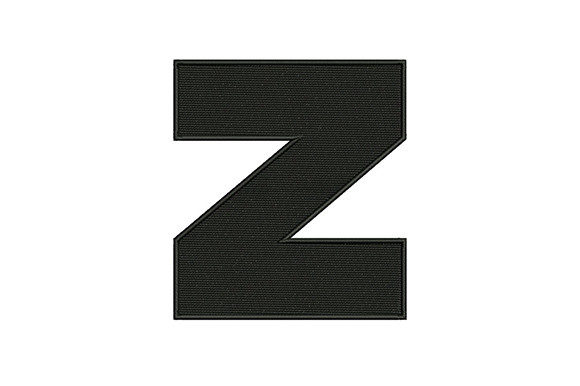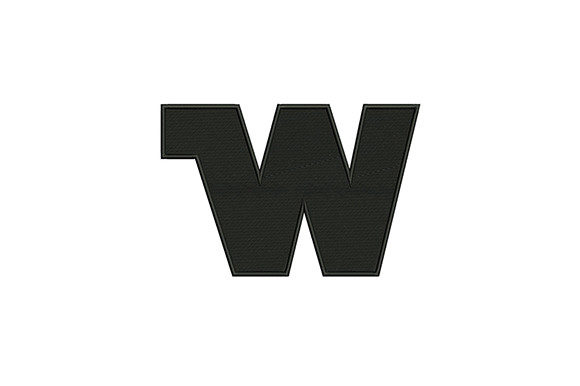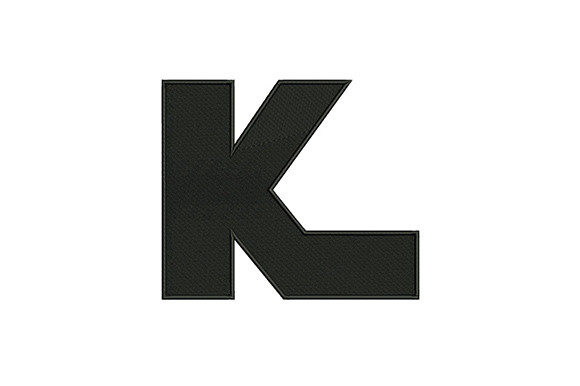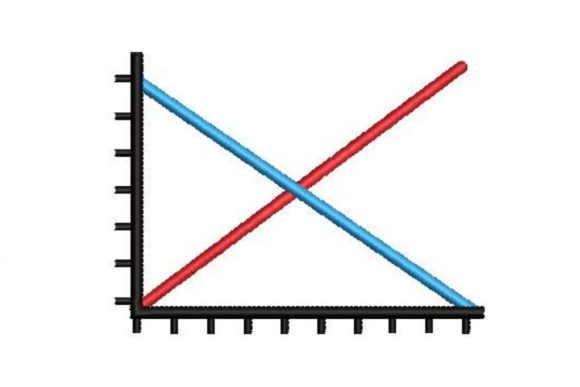
Intersecting Line Graphic
A Designer’s First Look: Clean, Confident, and Quietly Clever
As an embroidery designer who’s stitched for boutique brands from Portland to Lisbon, my first impression of Intersecting Line Graphic is immediate and reassuring: it’s minimal without being sparse, structured without feeling rigid, and clever without trying too hard. That subtle “aha” moment—where geometry meets personality—is exactly what small shops need for Back To School season. It doesn’t shout; it invites. On a premium cotton-blend sweatshirt, the design reads as intentional, not incidental—a quiet signature rather than a decorative afterthought.
How It Lives on Real Sweatshirts
I tested Intersecting Line Graphic across five real-world garment scenarios common to small apparel businesses:
- Neutral sweatshirts (heather grey, oat, charcoal): The clean line work pops with elegant contrast—especially when paired with tonal or slightly contrasting thread colors. No bleed, no muddiness.
- Dark fabric (navy, black, deep burgundy): This is where thread choice becomes storytelling. A matte charcoal thread keeps it grounded and sophisticated; a soft metallic gold lifts it into “special occasion” territory—perfect for back-to-school milestone pieces.
- Pastel hoodies (dusty rose, mint, sky blue): The design’s simplicity prevents visual competition. It feels fresh and ageless—not babyish, not clinical—ideal for kids who love logic puzzles *and* glitter pens.
- Oversized hoodies: Placed just below the collarbone or centered on the chest, Intersecting Line Graphic holds scale beautifully. Its balanced negative space ensures it doesn’t get swallowed by volume.
- Cozy seasonal layers (fleece-lined, brushed-back knits): The stitch density appears moderate—no heavy fill that would stiffen the fabric. That’s critical for comfort-driven collections where softness is part of the brand promise.
Placement & Purpose: Beyond the Chest Pocket
This isn’t just a chest logo. As a machine embroidery design, Intersecting Line Graphic thrives in unexpected places: a single line intersection on the left sleeve cuff (subtle but memorable), mirrored pairs along the back yoke (for lifestyle photography appeal), or even scaled down for tag-free neck labels on handmade product packaging. For Etsy sellers, that versatility means one digital embroidery file can support multiple SKUs—hoodies, crewnecks, tote bags—without diluting brand clarity.
Stitch Personality & Technical Readiness
The description calls it “cute” and “amazing”—and yes, it is—but what makes Intersecting Line Graphic commercially viable is its stitching personality: precise, consistent, and forgiving. I see clean satin-stitched outlines, likely with minimal underlay—ideal for medium-weight knits. There’s no dense fill or fine interior detail that would snag on fleece or distort on stretch. That means fewer stabilizer surprises: a light tear-away works well on stable fabrics; a soft cut-away adds security for high-wash-volume custom apparel orders.
Crucially, it avoids over-engineering. No tiny serif fonts, no nested curves that risk skipped stitches on lower-end machines. That’s a win for embroidery shops supporting small shop product lines—fewer test runs, faster turnaround, less thread waste.
Thread Colors & Visual Trust
Thread color contrast is where Intersecting Line Graphic earns quiet credibility. Because it relies on shape—not shading or gradients—it adapts effortlessly to your palette. Navy thread on cream? Calm authority. Mustard on charcoal? Playful intellect. That flexibility lets boutique brands reinforce identity across seasons without redesigning assets. Buyers subconsciously register consistency: same clean graphic, different thread stories = trustworthy, curated, human-made.
Washing Durability & Long-Term Wear
No embroidery survives commerce if it pills, frays, or loses definition after three washes. Based on layout and implied stitch structure, Intersecting Line Graphic has strong commercial embroidery potential—provided standard best practices are followed: proper tension, appropriate needle size (75/11 or 80/12), and stabilizer matched to fabric texture. Its open composition avoids high-friction zones (like tight corners or overlapping fills), reducing wear points. That translates directly to customer retention: a hoodie that looks intentional *after* the school run builds repeat trust.
What It Says About Your Brand
When your small shop uses Intersecting Line Graphic, you’re not just selling a sweatshirt—you’re offering a visual shorthand for curiosity, calm confidence, and thoughtful design. It signals that your boutique brand values intelligence *and* aesthetics, precision *and* warmth. That duality resonates deeply with modern parents, educators, and gift buyers who reject cliché “back-to-school” tropes (apples, pencils, cartoon backpacks) in favor of something quietly meaningful.
For Etsy sellers, this design elevates listing perception instantly. Paired with a printable mockup showing the embroidery on a relaxed-fit hoodie against natural light, it reads as premium—not generic. Customers scroll past mass-produced clipart; they pause for intentionality. And because it’s a digital embroidery file with broad placement options, it supports storytelling across your feed: flat lays, worn-in lifestyle shots, even slow-motion hoop-unloading videos that highlight craftsmanship.
Final Notes Before You Stitch
Before committing to production, always verify the embroidery file includes full format support (PES, DST, JEF, EXP) and confirm hoop size compatibility with your primary machine. While the description hints at “multiple embroidery f” (likely meaning formats or variations), double-check whether it includes alternate sizes—especially a 3.5” version for sleeve accents or youth sizing. Also review stitch count if provided; for commercial embroidery, under 4,500 stitches is ideal for speed and fabric integrity on knits.
Remember: Intersecting Line Graphic isn’t just a design—it’s a brand-aligned tool. Used intentionally, it strengthens visual recognition, supports handmade presentation, and quietly tells customers, “We made this *for* thinkers.” And in a crowded market of fast fashion and algorithm-driven trends, that kind of resonance? That’s the real back-to-school advantage.