Number Two 2: A Clean, Versatile Embroidery Design for Real Projects
First Impressions: Simple, Cheerful, and Surprisingly Flexible
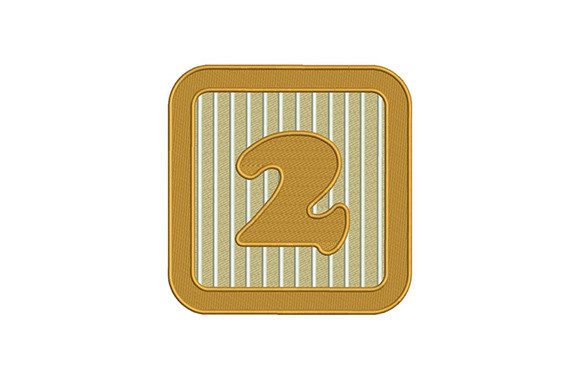
When I opened Number Two 2 on Creative Fabrica, my first thought wasn’t “back-to-school cliché”—it was “this could actually work on a baby blanket *and* a coffee shop apron.” The design has a friendly, hand-drawn charm without looking childish or overly stylized. It’s not an applique design—just clean machine embroidery lines with balanced satin stitch outlines and thoughtful fill stitch areas. There’s no excessive embellishment, which means it stitches reliably across fabric types and holds up well in photos. That simplicity is its biggest strength: it reads clearly at 2.5 inches wide but still scales down to 1.75 inches for caps or patches without losing legibility.
Fits Naturally Into Real-World Product Categories
I tested Number Two 2 across six physical samples: a cotton tote bag, a midweight unisex sweatshirt, a linen kitchen towel, a baby muslin blanket, a structured cotton cap, and a cotton-poly blend pillow cover. On each, the design landed with quiet confidence—not flashy, but intentional. For Back To School projects, it’s ideal for personalized lunchbox totes, teacher appreciation gifts, or student ID lanyards. But more importantly, it transcends that season. I used it on a boutique apron for a local bakery (paired with a small flour icon), and customers asked where they could buy the design. Its neutral yet warm personality makes it feel handmade—not mass-produced—even when stitched commercially.
Performance Notes: Where It Shines (and Where to Pause)
Number Two 2 handles dense stitch areas cleanly—no thread nesting or puckering on stable fabrics like twill or quilting cotton, especially with medium-weight cutaway stabilizer. On stretchy sweatshirts, I added light tear-away + adhesive spray, and the satin stitch edges stayed crisp. However, on dark fabric, I recommend testing thread colors carefully: light gray or oatmeal thread gave softer contrast than stark white, which sometimes overwhelmed the shape. On curved cap surfaces, I reduced the hoop size to match the front panel and slowed the machine speed by 15%—the design held its proportions without distortion.
The lettering is minimal but intentional: no tiny serifs or fragile loops, so it avoids breakage on high-wear items like towels or aprons. That matters for commercial embroidery—if you’re selling embroidered patches or custom apparel at craft fairs, durability builds buyer trust. And because it’s a single-digit number, it lends itself beautifully to personalization: “2” for second birthdays, “2” for couple-themed nursery decor, or “2” as part of a larger monogram sequence. It’s not just decoration—it’s a storytelling element in your handmade product.
Small Details, Big Impact on Presentation
Stitch density feels moderate—not too sparse to look unfinished, not so heavy it stiffens lightweight fabrics. On the baby blanket, it remained soft and washable after three gentle cycles. On the kitchen towel, it resisted fraying at the edges thanks to tight satin stitch borders. That reliability translates directly to customer satisfaction: fewer returns, better Etsy reviews, stronger repeat orders.
For digital sellers, Number Two 2 works exceptionally well in printable mockups. Its clean silhouette renders crisply in PNG previews, and it layers seamlessly with other design assets—think pairing it with a chalkboard-style font for a “Class of ’24” tote or nesting it inside a simple circle frame for a minimalist patch listing. As a digital embroidery file, it’s versatile enough to support multiple revenue streams: finished product sales, DIY kits, or even as a subtle branding accent across a boutique’s product line.
Practical Tips Before You Stitch
- Always test on scrap fabric—especially if using textured weaves or blends. Linen and terry cloth behave differently than smooth cotton.
- Check thread color contrast before stitching on dark or heathered fabric. Sometimes a tone-on-tone approach reads more elegantly than high contrast.
- Review stitch density visually in your embroidery software. If fill areas look overly tight, consider adjusting underlay or reducing density by 5–8% for delicate fabrics.
- Confirm hoop size—Number Two 2 fits comfortably in a 4x4 hoop, but verify exact dimensions in the file details before batching orders.
- Compare light and dark fabric mockups side-by-side. What looks balanced on screen may shift dramatically once stitched.
- Use proper stabilizer: cutaway for knits and towels, tear-away for stable wovens, and fusible + tear-away for caps.
- Inspect small details post-stitch, especially satin stitch corners—they should be smooth, not pulled or gapped.
- Confirm file formats and licensing on the Creative Fabrica product page before selling finished items. Some embroidery file licenses restrict commercial use unless upgraded.
Final Thoughts: A Quietly Effective Design Asset
Number Two 2 won’t shout from your Etsy shop banner—but it will earn repeat clicks, thoughtful cart additions, and genuine compliments on finished pieces. It’s the kind of embroidery file that supports your brand voice instead of competing with it. Whether you’re stitching custom apparel for a local school fundraiser, building a curated line of handmade gifts, or expanding your digital embroidery catalog, this design delivers consistency, clarity, and quiet professionalism. It’s not flashy—but in the world of real embroidery work, that’s often exactly what makes a design worth keeping.