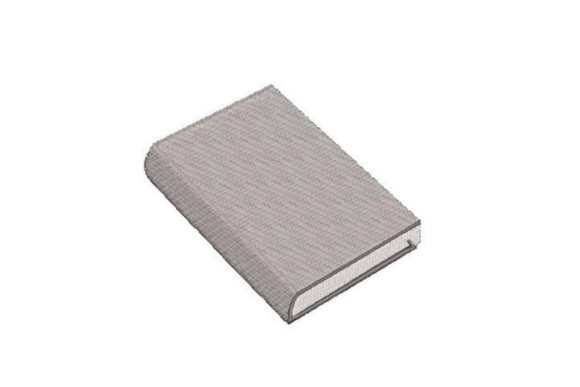
Book Mockup: A Back-to-School Embroidery Standout
First Impression: Clean, Confident, and Classroom-Ready
As an embroidery designer who’s prepped over 200 craft fair booths—from downtown pop-ups to regional maker markets—Book Mockup hits that rare sweet spot: instantly legible, quietly professional, and warmly approachable. It doesn’t shout “cute” or lean into cartoonish trends. Instead, it reads as modern-minimal with a thoughtful, academic charm—like a well-designed library stamp meets contemporary stationery. That makes it ideal for Back To School without feeling dated by September 15th. Parents notice it. Teens pause at the booth. Teachers nod and ask, “Do you do teacher editions?” That’s your first win.
Where Book Mockup Shines on Craft Fair Products
In my booth setup—featuring embroidered tote bags, aprons, tea towels, patches, caps, fabric pouches, and pillow covers—Book Mockup performs strongest where clarity, scale, and context align:
- Tote bag design: Centered on a natural canvas tote, it reads cleanly from 6 feet away—no squinting, no confusion. The balanced proportions hold up even when folded in a display stack.
- Embroidered patch: As a sew-on or iron-on patch, it’s versatile, giftable, and batch-friendly. Customers love adding it to backpacks, denim jackets, or laptop sleeves—and it photographs beautifully for Etsy listings.
- Apron embroidery: Positioned just above the pocket, it adds quiet sophistication to handmade kitchen aprons—especially in linen or medium-weight cotton. Not too literal, not too abstract: just right.
- Tea towel embroidery: Works best on lighter weaves (like flour-sack cotton) where stitch definition stays crisp. Avoid heavy terry or looped textures—fabric texture will mute fine lines.
- Caps and curved surfaces: Proceed with caution. If the design includes tight curves or small lettering, test hoop placement and stabilizer support first. Curved cap surfaces compress stitch spacing—what looks perfect on flat fabric may blur on crown embroidery.
Production Realities: What Makes Book Mockup Booth-Ready
This isn’t a “drop-and-stitch” file—it’s a machine embroidery design that rewards attention to detail. Here’s what I check before cutting 30+ units for market day:
- Test on scrap fabric—same weight and weave as your final product. Does the Book Mockup hold clean edges on your chosen tea towel? Does it pucker on lightweight cotton poplin?
- Review thread colors for contrast. On dark fabric, avoid light pastels unless you’ve tested coverage. A single dense fill area can look muddy if thread tension isn’t dialed in.
- Confirm hoop size and spacing. If the design pushes near 4x4 limits, verify clearance for your machine’s throat space—especially important when embroidering on structured items like pouches or pillow covers.
- Inspect stitch density. High-density areas (like solid book spines or thick borders) need appropriate stabilizer—cutaway for stretchy knits, tear-away for stable wovens. Skip this, and you’ll get distortion—not distinction.
- Create at least one real mockup—not just a digital preview. Hold it in natural light. Walk around your booth with it. Does it catch the eye amid other handmade products? Does it feel premium next to competitors’ prints or vinyl transfers?
What Buyers Actually Respond To
At craft fairs, Book Mockup draws two clear buyer types: parents seeking meaningful, non-trendy school accessories—and creative teens and college students curating personal style with intention. Its strength isn’t novelty; it’s recognition. People see it and think, “That’s me—or the student I’m shopping for.” That emotional resonance boosts perceived value and supports higher price points for your finished product.
For Etsy sellers and small shop owners, it also strengthens brand consistency. Use Book Mockup across your tote bags, patches, and printable mockups—and suddenly your shop feels curated, not scattered. It works equally well as a subtle accent (small version on a corner of a tea towel) or a bold focal point (large-scale on a market bag). That flexibility means fewer SKUs, less inventory risk, and more repeat customers asking, “Do you have this in navy?”
Careful-Use Notes: Where Clarity Can Fade
Don’t assume Book Mockup scales perfectly down to 1.5 inches. Tiny details—like delicate serif lettering or narrow spine lines—will vanish on dense fabrics or at small sizes. Likewise, avoid placing it directly over seams, zippers, or heavily textured surfaces (think terry cloth towels or bouclé pouches) without extra stabilizing layers. On dark fabric, confirm that light-colored thread won’t require multiple passes—or worse, show backing through.
If your version includes small script elements or tight kerning, run a 2-inch test before committing to 50 caps. And remember: curved cap surfaces distort proportion. What looks centered on screen may pull left or sink toward the bill in reality.
Final Designer Advice Before You Launch
Before listing Book Mockup as a commercial embroidery offering—or stitching it into 100 tote bags for your next fair—do these three things:
- Compare fabric colors side-by-side. A navy tote and charcoal apron may both read “dark,” but thread contrast behaves differently on each dye lot and fiber blend.
- Verify commercial licensing. The product description says it comes with multiple embroidery file formats—and that’s great—but always confirm whether your use (selling finished products) is explicitly permitted. When in doubt, contact the designer or marketplace directly.
- Use it as a design asset—not just decoration. Pair Book Mockup with complementary fonts or icons in your Etsy banner, packaging stamps, or social posts. It becomes part of your visual language—not just another embroidery file.
In short: Book Mockup is a smart, scalable, and quietly confident embroidery choice for makers who value clarity over clutter and craftsmanship over cuteness. It’s not flashy—but at a craft fair, where attention is fragmented and buyers are overwhelmed, sometimes the most powerful statement is simply: well made, well considered, and ready for school.