Book Worm: A Charming Embroidery Design for Meaningful Personalized Gifts
First Impressions: Sweet, Storybook Charm with Quiet Confidence
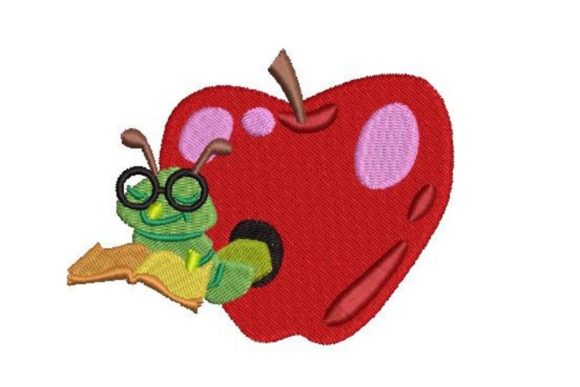
Opening the Book Worm embroidery file felt like flipping open a well-loved picture book—immediately warm, gently whimsical, and full of quiet storytelling. The apple rests softly, the worm curls comfortably over its spine, and the tiny open book carries just enough detail to read as “reading” without needing text. It’s not cutesy or loud—it’s thoughtful, handmade in spirit, and emotionally resonant. This isn’t just a Back To School design; it’s a lifelong sentiment stitched in thread. I’d describe its mood as sweet, classic, and quietly modern—perfect for customers who value sincerity over flash.
Where Book Worm Truly Shines: From Nursery to Keepsake Shelf
I tested Book Worm across six real-world personalized gift applications—and each time, it deepened the emotional weight of the finished product. On a cotton baby blanket? It whispered tenderness. On a linen kitchen towel? It added personality without clutter. As a pillow cover for a child’s reading nook? Instant heirloom energy. And on a cream-colored apron for a librarian’s wedding gift? Unexpectedly poetic.
- Baby embroidery: Ideal for onesies (on stable knit blends), burp cloths, and muslin swaddles—especially when paired with soft pastel thread colors.
- Wedding gift: Stitched onto a monogrammed linen napkin or guest book sleeve, Book Worm becomes a subtle nod to shared values—curiosity, learning, quiet joy.
- Nursery decor: Works beautifully on framed hoop art, wall hangings, or quilt blocks—its balanced composition holds up even at 3.5" tall.
- Embroidered towel & tote bag: Holds crispness on terry cloth with medium-weight cutaway stabilizer; looks especially inviting on natural fiber totes sold at craft fairs.
- Pillow cover & blanket embroidery: Stitches cleanly on medium-weave cotton and linen blends—no puckering, no detail loss.
- Etsy seller & small shop product: Photographs exceptionally well—soft shadows, clear outlines, and that gentle apple curve invite close-up shots and heartfelt listing copy.
Where to Use Book Worm Thoughtfully—Not Everywhere
Like any strong machine embroidery design, Book Worm thrives with intention—not automatic placement. I recommend caution on:
- Stretchy baby clothes: Avoid tight-knit ribbing or side seams—opt instead for flat panels like chest or back centers, and always use tear-away + light cutaway stabilizer.
- Thick, textured fabric: Heavy terry or bouclé towels need denser stabilizer and possibly reduced stitch density—test first.
- Dark fabric: The worm’s delicate curve and book lines benefit from high-contrast thread (e.g., ecru on navy, white on charcoal). Always mock up digitally *and* stitch a sample.
- Curved surfaces: Not ideal for mugs or rounded baby bottles—but perfect for flat-sided items like wooden keepsake boxes or fabric-covered journals.
- Frequent-wash items: While durable, fine details (like the worm’s segmented body) hold best on low-agitation cycles. Recommend gentle wash + air dry for heirloom pieces.
How Book Worm Elevates Your Handmade Product—and Your Customer’s Trust
This is where Book Worm goes beyond decoration. Its narrative warmth builds instant connection: parents see their child’s curiosity reflected; newlyweds recognize shared love of stories; teachers feel seen. That emotional resonance translates directly into perceived value—customers happily pay more for embroidered towels or pillow covers that tell a story, not just fill space.
For Etsy sellers and small shop owners, Book Worm also strengthens buyer engagement. It invites personalization (“Add their name in script below the apple?”), encourages repeat orders (“Get one for each child’s birthday”), and supports cohesive collections—think matching blanket + towel + tote sets labeled “Little Reader Collection.” When photographed beside a real book or cozy reading corner, it sells itself.
Practical Embroidery Notes Every Maker Should Confirm
Before stitching your first customer order, treat Book Worm like a trusted collaborator—not just a digital embroidery file. Here’s my checklist:
- Test on scrap fabric that matches your intended product—same weave, weight, and stretch.
- Check thread color contrast under both natural and indoor light; some pale greens or creams disappear on off-white linen.
- Confirm hoop size compatibility—does it fit your standard 4x4 or require 5x7? Adjust placement accordingly.
- Review stitch density: Is it balanced? Too dense = stiff fabric; too sparse = fragile details. Look closely at the worm’s head and book pages.
- Use proper stabilizer: Light cutaway for knits, medium cutaway for towels, tear-away for stable wovens.
- Compare light and dark fabric mockups—not just digitally, but stitched—before finalizing product photos.
- Inspect small details post-stitch: Are all worm segments distinct? Does the book spine read clearly? Trim stray threads gently.
- Confirm commercial licensing before selling finished products—this is essential for Etsy sellers, baby product creators, and wedding gift designers using Book Worm in physical goods.
A Design That Grows With Its Owners
What makes Book Worm special isn’t just its charm—it’s its longevity. It works for a newborn’s onesie, a kindergartener’s backpack, a teen’s tote, and a grandparent’s reading shawl. It fits seamlessly into Back To School launches, baby showers, teacher appreciation, and quiet wedding moments. As an embroidery designer, I don’t just recommend it—I keep it in my top-three go-to files for personalized gift projects. Because when you’re stitching meaning—not just motifs—you want a design that feels like a promise. Book Worm delivers exactly that.