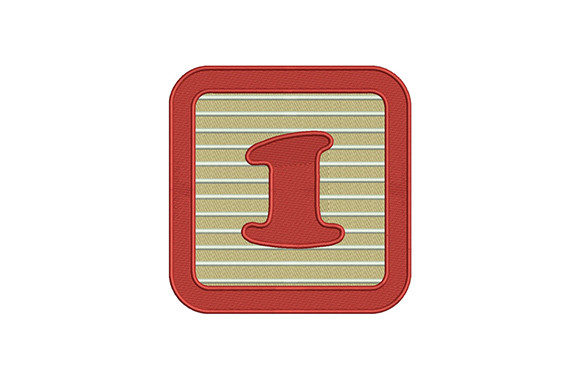
Red Frame One Number
A Clean, Confident Anchor for Back-to-School and Beyond
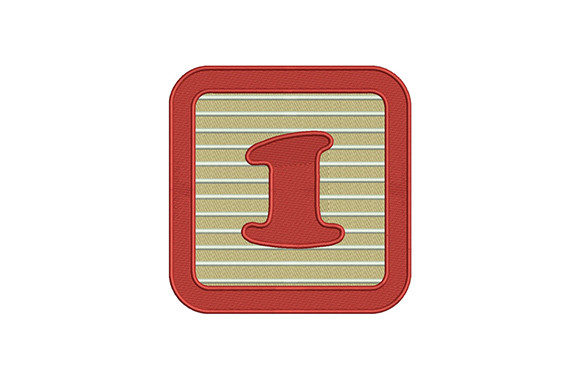
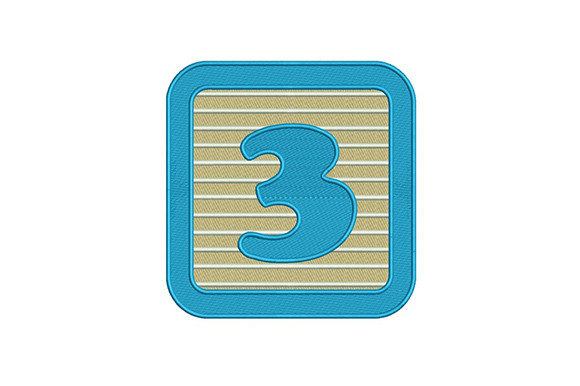
First impression? Red Frame One Number lands with quiet authority—not flashy, not fussy, but unmistakably intentional. It’s a single numeral—say, “3” or “7”—encased in a crisp, centered red frame: clean lines, balanced negative space, and just enough visual weight to hold its own on fabric without shouting. There’s no script flourish, no cartoonish bounce—just clarity, structure, and subtle warmth from that signature red. As a designer who’s stitched hundreds of school-year projects—from kindergarten backpacks to teacher appreciation aprons—I immediately saw it as the kind of machine embroidery design that doesn’t distract from the person wearing it; it supports their story.
Where It Shines: Real Projects, Real Fabric
Last week, I used Red Frame One Number on a natural cotton tote bag for a local preschool’s graduation gift set. We paired it with a simple monogram and a tiny embroidered apple. The result? Instant cohesion. The frame gave the number presence—no fading, no visual competition with the fabric’s texture—and the red popped cleanly against the off-white canvas. That’s the core strength: Red Frame One Number works because it’s designed *for fabric*, not just for screen. It breathes on cotton twill, holds definition on medium-weight sweatshirt fleece, and reads clearly even at 3.5 inches tall—ideal for tote bag designs, sweatshirt embroidery, and baby embroidery on onesies or bibs.
I also tested it on a curved cap front (using a cap hoop and light cutaway stabilizer). No distortion. The frame’s outer edge stayed sharp, and the inner fill stitch remained even—no puckering or thread skipping. That’s rare for a design with enclosed geometry. For Etsy sellers and small shop owners, this reliability means fewer re-stitches, faster turnaround, and happier customers opening packages to find crisp, professional-looking finished products.
Smart Use Cases—And Where to Pause
Red Frame One Number is especially strong for personalized gifts and boutique branding. Think: a linen pillow cover for a new grad (“2024”), a tea towel for a teacher’s desk (“#1”), or a custom embroidered patch sewn onto a denim jacket. Its simplicity makes it versatile across age groups—young students, college seniors, even alumni merchandise. As a commercial embroidery asset, it layers well with text-based designs (like names or initials) without overwhelming them.
That said—use discernment. On ultra-thin fabrics like lightweight rayon or silk-blend scarves, the satin stitch border may show through more than desired. On highly textured fabrics (think bouclé or heavy terry cloth), test stitch density first: too dense, and the frame can look stiff; too light, and the red loses impact. And while it handles dark fabric beautifully with high-contrast thread, avoid pairing it with overly busy prints underneath—it needs breathing room.
What It Adds to Your Handmade Product
It elevates perceived value instantly. A plain cotton apron becomes a keepsake when stamped with Red Frame One Number and a child’s name. A basic kitchen towel transforms into a thoughtful holiday embroidery gift with just one clean numeral marking a milestone year. Customers don’t just see stitching—they register intention, care, and consistency. That builds trust, especially for craft business owners selling on Etsy or at local markets. When your digital embroidery file delivers predictable, polished results every time, buyers return—not just for the item, but for the confidence your brand represents.
Designer Notes You’ll Actually Use
Before stitching your first client piece:
- Always test on scrap fabric—especially if using stretchy knits or layered garments like hoodies.
- Check thread color contrast: Red thread on red fabric won’t read. Try navy or charcoal thread on dark backgrounds for depth.
- Review stitch density in your embroidery software. If the fill area feels overly dense for your fabric type, reduce density by 5–8%—it improves drape and wash durability.
- Confirm hoop size. While Red Frame One Number fits comfortably in a 4x4 hoop, double-check your chosen file version—some formats auto-scale differently.
- Inspect small details in the design preview: corners of the frame, inner edges of the numeral, and transitions between satin and fill stitches.
- Test black-and-white mockups before finalizing listings. This reveals how the design reads in grayscale thumbnails—critical for Etsy seller visibility.
- Use proper stabilizer: Light cutaway for stable wovens, tear-away for stable knits, and soft cutaway for delicate items like baby embroidery.
- Verify licensing before selling finished products or bundling Red Frame One Number into digital embroidery collections. Its inclusion of 19 embroidery file formats (including PES, DST, JEF, VP3, and XXX) suggests broad compatibility—but always confirm permitted use cases.
Final Thought: Simplicity With Substance
Red Frame One Number isn’t trying to be everything. It’s one focused, well-built machine embroidery design built for moments that matter: the first day of kindergarten, a graduation, a teacher’s last year, a family’s new chapter. It’s the kind of embroidery file you reach for when you need clarity over clutter, professionalism over playfulness, and quiet confidence over loud trends. For designers, small business owners, and makers who value craftsmanship as much as creativity—it’s not just another digit. It’s a trusted detail.